

This post, like all Unusual Assets posts, is for entertainment and educational purposes only and is not financial, legal, or any kind of advice.

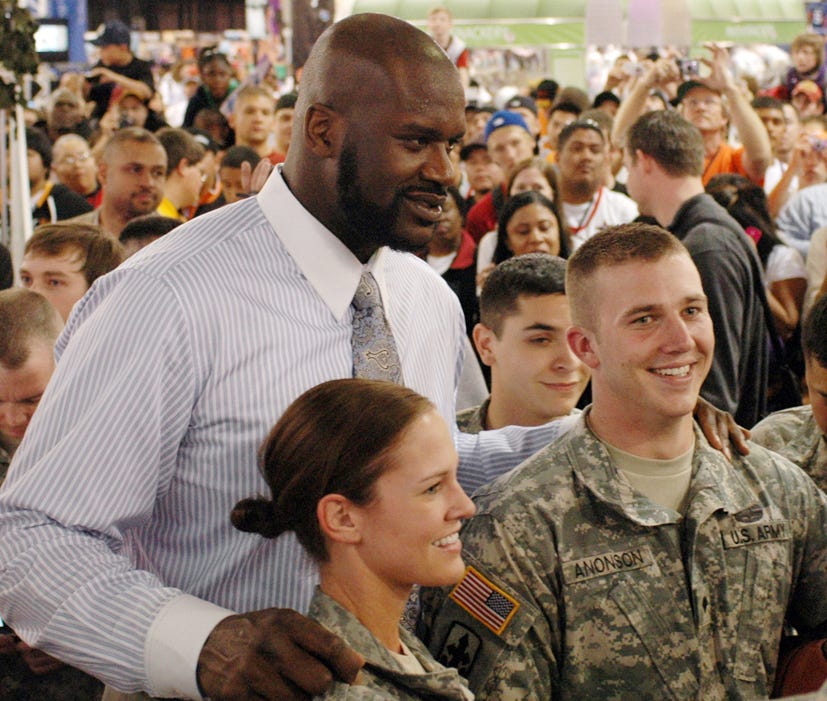
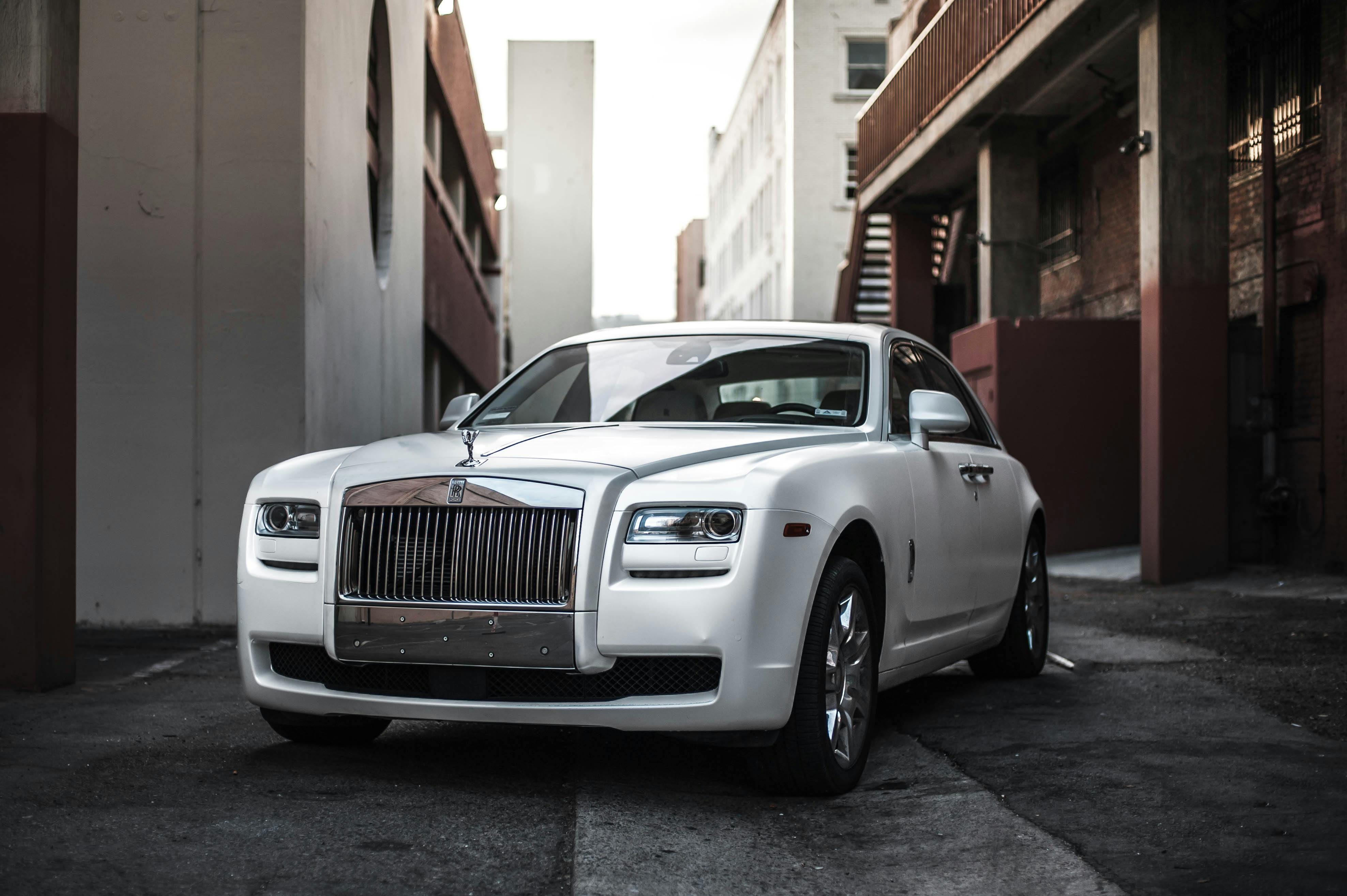
Shaquille O’Neal once walked into a Rolls-Royce dealership in Lakers sweats, in his own words “looking like a bum”, and started asking how much one car cost, then another, then another. The old salesman, unimpressed, finally said: “You asked about all these cars — can you afford them?”
Shaq got mad. So he bought three cars, which cost roughly $1.3 million. “That one that one and that…and I want them dropped off.” He has admitted he barely drives them. And, ironically, the very person who insulted him presumably financially benefitted from the deal.
So here’s the uncomfortable question: does rudeness have a positive expected value?
For almost every business on earth, rudeness is a cost — a lost sale, a one-star review, a customer who never comes back. And then there’s the world of luxury, where being made to feel small is, apparently, part of the product.
Here’s the weird part. Rudeness itself, properly deployed, is a financial multiplier—but only for the right brands, with the right customers, at the right time.
There’s real research on this. So, today, let’s price rudeness as an unusual asset.
Subscribe for more weird (but fun) financial valuations.
What does the research actually say?
The headline comes from a 2014 paper in the Journal of Consumer Research with the best title in the field: “Should the Devil Sell Prada?” Across four studies, Morgan Ward and Darren Dahl had a salesperson greet a shopper condescendingly and measured the fallout. Counterintuitively, both attitude and willingness to pay went up. They called it the “Pretty Woman effect.”
Shaq is almost the opposite of their subject — he wasn’t an aspiring outsider hoping to be let in, he was a rich man who’d been insulted1 — but both run on the same circuit: a snub questions your worth, and some people answer with a purchase. Aspiration and wounded pride are different buttons; the sneer presses both.
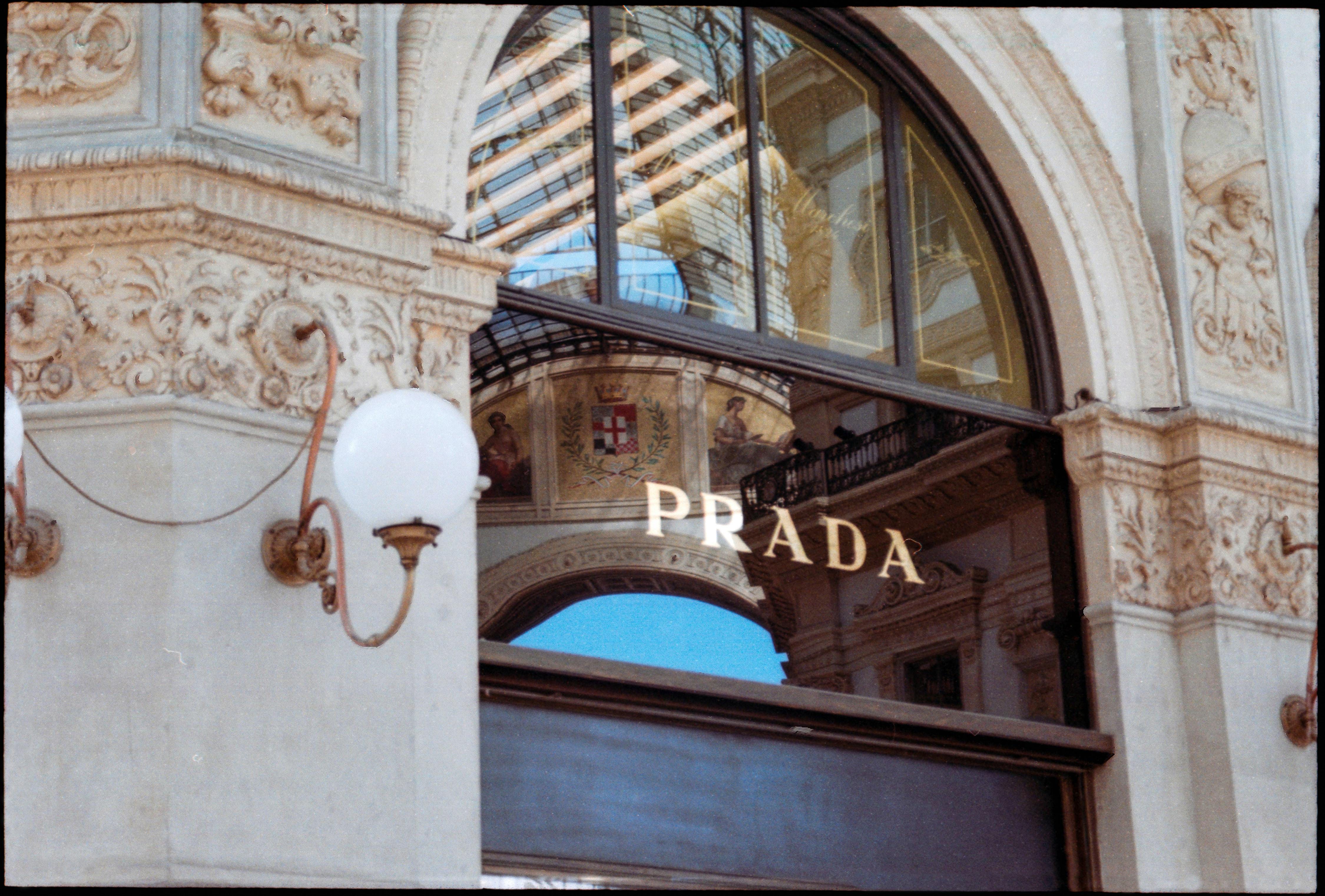
Here’s the honest part, though. The effect only fired under tight conditions: an aspirational brand (it backfired for Gap or H&M), a shopper who tied the brand to their ideal self, and a snob who credibly “reflected the brand.” And the kicker the viral write-ups skipped — it decayed fast. Within about two weeks, snubbed shoppers curdled: they wanted to buy in the moment, then turned sharply negative. Dahl himself warned the strategy fails long-term. The snub is a real asset with roughly the shelf life of a bunch of flowers.
Let’s actually price it (back of the envelope)
Ok so how might we think about the value of this strategy on a per-interaction basis?
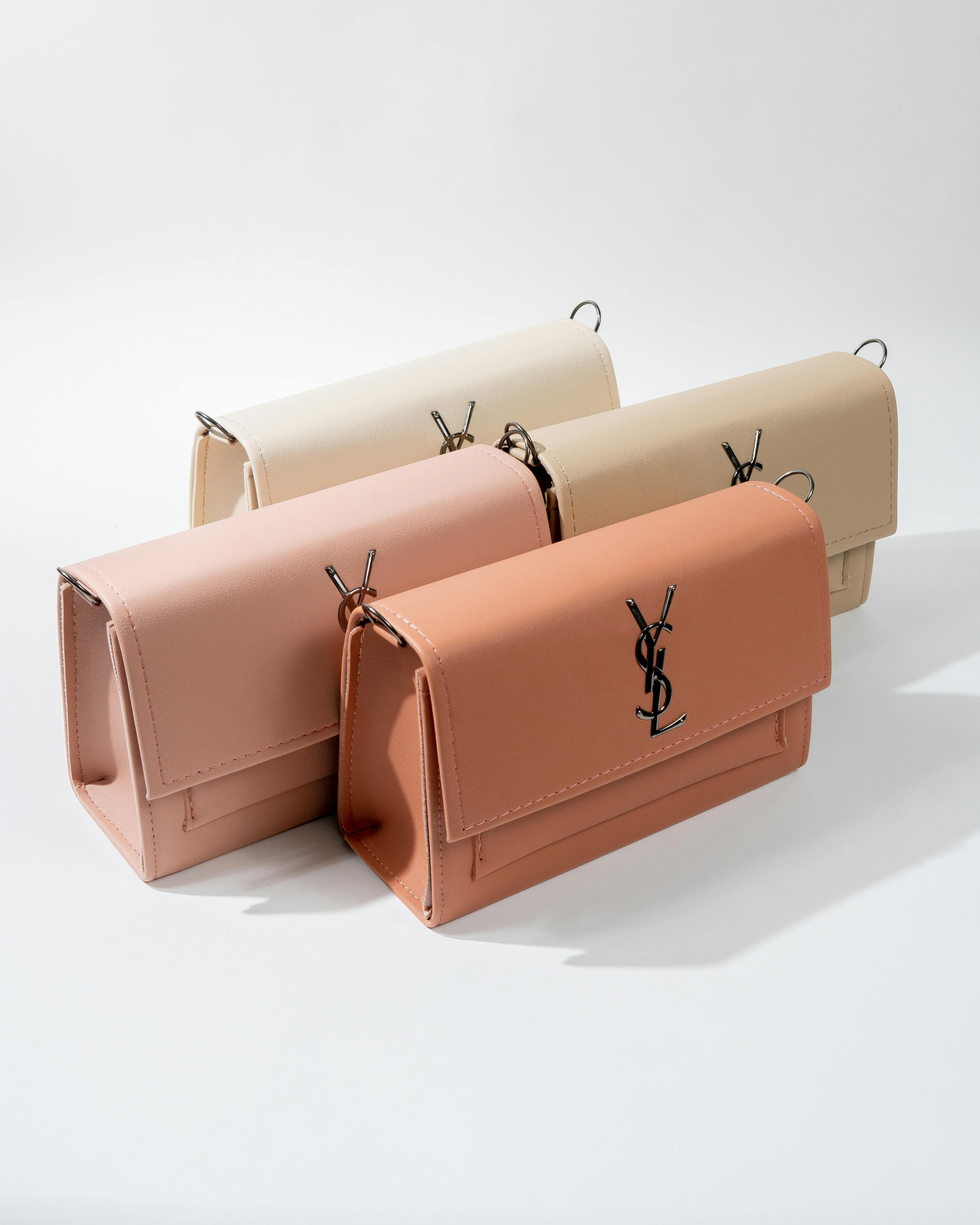
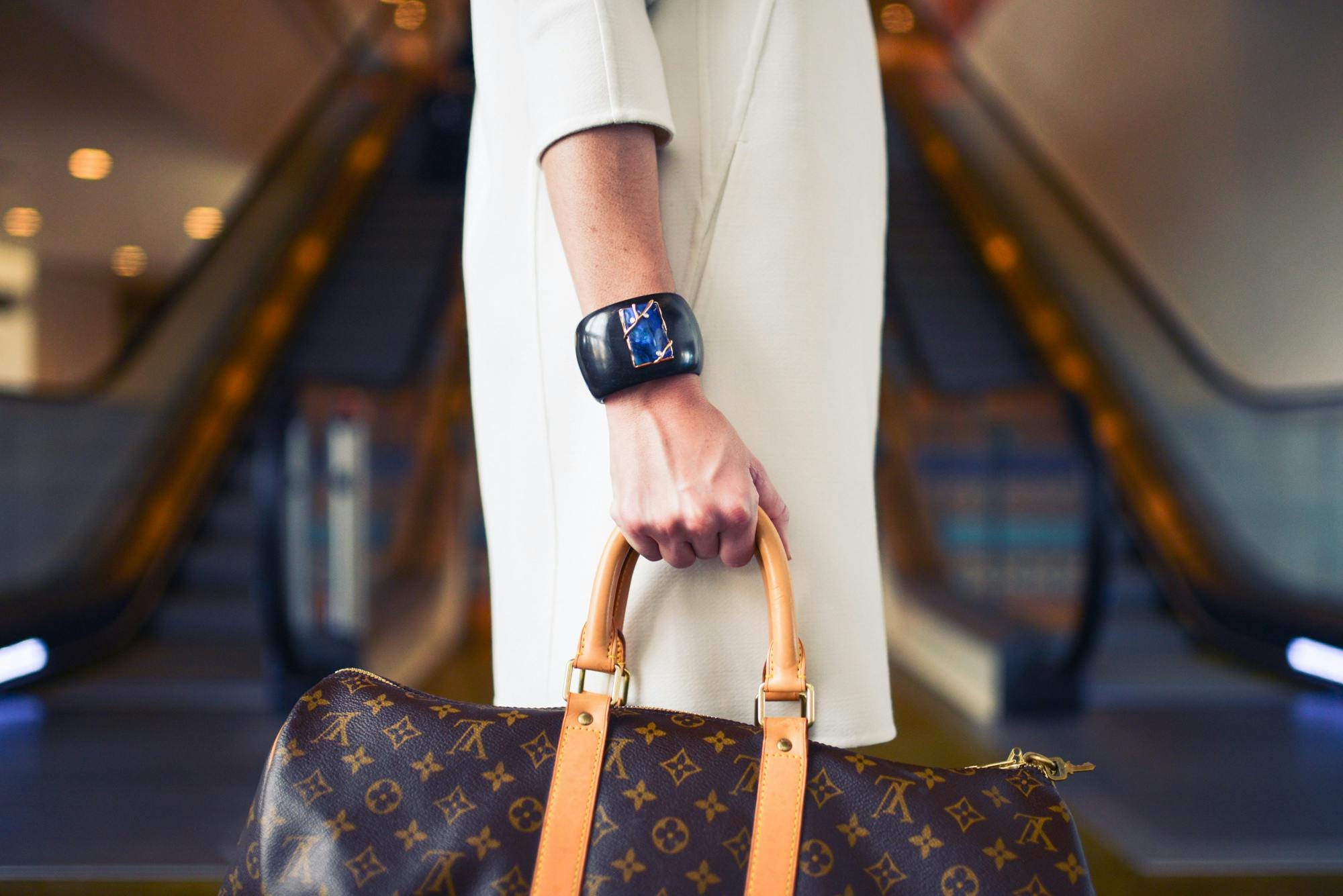
Start with a real anchor: a popular Louis Vuitton bag — a Neverfull or Speedy — runs about $2,000.
Let’s say a fresh snub nudges an aspiring shopper’s odds of buying that visit up by 5 percentage points.
Per qualifying aspirant: $2,000 × 5% ≈ $100 of expected extra sales per snub.
So even being generous, a sneer is not worth very much per interaction — with a two-week fuse, and only counting impulse buys it pulls forward. Now subtract the cost: the same snub reliably repels loyal and non-aspirational customers, for whom the effect runs in reverse. Lose even one $2,000 regular for good every twenty snubs and the whole strategy goes underwater. The expected value is small, fragile, and probably negative at scale.
So, running the numbers this way, this strategy seems dumb. But it’s also seemingly widespread. Velvet-roped lines at luxury stores are common. People regularly wait for the opportunity to spend money at these stores. And even if we add in big spenders like Shaq, it seems unreasonable that this strategy would work. Rolls Royce’s are big-ticket products with huge profit margins. Selling three is a huge amount of profit—far more than selling five LV bags.
So maybe we should rethink things.
But maybe rudeness is just an initiation rite
Luxury staff aren’t rude to everyone. In fact, the snub effect reverses for loyal insiders. Staff at these stores are rude at the threshold and then ultra warm once you’re in. The coldness is a bouncer, not the club. Once you’re a big spender, you get all sorts of benefits.
This is apparently how top luxury stores operate. Frosty to the unknown walk-in, lavish to the established client. You don’t get offered a Birkin until you’ve built a purchase history, shown up, become known. But once you have, you get free champagne while shopping.
There’s harder psychology under this than the Prada study. In a classic 1959 experiment, Aronson and Mills found that people made to endure an embarrassing initiation to join a group ended up liking that group more than people who got in easily. Effort justification: if getting in cost you something — a wait, a sting, your dignity — your mind decides it must have been worth it. A snub at the door ironically manufactures loyalty.
So, let’s redo it thinking of it that way. A committed luxury client doesn’t buy one bag; they spend maybe $5,000–15,000 a year for a decade or two — call it $50,000–300,000 in lifetime sales. If a well-aimed snub raises the odds of minting a member (not making a sale) by even a point or two, the expected value isn’t $100 — it’s hundreds to low thousands of dollars per qualifying interaction. (More on that soon).
Looking at it this way, the snub is not about pushing someone for a one-time sale, it’s a pressure tactic to see who is willing to become a member.
This also reconciles the awkward fact that the study’s effect decays in two weeks. The lab measured the snub in isolation— a sting with no second act, no club to be welcomed into. Real luxury supplies the second act: the aspirant who pushes through the cold gate eventually gets the warmth.
And most people want to justify their purchases.
Another thing about luxury: The member becomes free advertising. A monogram bag is conspicuous by design. Every convert manufactures the next cohort of aspiring outsiders, who walk in, get screened at the gate, and (if the brand plays it right) get initiated in turn. Members advertise the club; the advertising breeds aspirants; the snub screens the aspirants; the new members advertise. It’s a self-perpetuating aspiration engine.
Scarcity enables the snub
The snub is only possible due to scarcity. If everyone already had a LV bag, they’d be seen as less prestigious.
So, the sneer (”you can’t afford this”) and the waitlist (”you’re not allowed to buy this yet”) are the two parts of the same strategy.
Birkin bags often resell above retail — the structured Sellier Birkin ran about 183% of its original price on Rebag’s 2025 index, and Birkin resale values are apparently up roughly 92% over the decade, outpacing Hermès’s own retail hikes. Louis Vuitton ran the experiment on purpose: it moved the classic Neverfull bag to a waitlist in May 2023, and resale retention promptly stepped up. (Side note: Why doesn’t this bag have a French name?) Ferrari does it in metal — you can’t get its halo cars (such as a LaFerrari) without a history of owning the prior greats, and when Justin Bieber broke the code by modifying and auctioning a 458, it reportedly cut him off from the special editions. Nevertheless, Bieber claimed he was in line to get a LaFerarri, likely due to an agreement to repurchase one at a premium from another buyer. Build the right history and the best ones come to you; break the rules and the gate shuts.
Scarcity itself is kind of a snub, and for the right customer, and the right brand, it works.
So what’s the expected value of rudeness?
To price rudeness, maybe we need to step back and acknowledge rudeness is just one part of an even more important aspect of luxury: Scarcity and status. Rudeness is just part of the scarcity filtering mechanism.
Perhaps a better question is: how many more people become long-term clients under a cold, scarce, status-gated experience than under a warm, equally scarce one?
Suppose 100 qualified aspirants walk in. Under a warm-but-scarce system, maybe six become long-term clients. Under a cold-and-scarce system, maybe eight do. If each long-term client is worth $30,000–$100,000 in lifetime sales, rudeness is not worth all eight clients. It is worth the two-client lift: roughly $60,000–$200,000 in extra lifetime sales, before subtracting the customers it alienates.
That still sounds strange, but the bar is lower than it seems. The sneer doesn’t have to convert everyone. It only has to move a few edge cases: the customer who wants the bag but feels unsure, the shopper who can technically afford it but needs emotional permission to be extravagant, the aspirant who hears “you may not belong here” and decides to prove otherwise.
In that sense, rudeness is not just a sales tactic. It’s a pressure tactic, and it is a forcing mechanism. For some customers, politeness lets them drift away. Coldness creates a decision point: leave and be an outsider, or buy and join the club.
But even this may understate the effect, because in real luxury, rudeness rarely works alone. It is one visible part of a larger exclusivity system: scarcity, waitlists, purchase histories, limited access, and the emotional reward of eventually being recognized. A waitlist says the product is hard to get. A frosty salesperson says access itself is conditional. Together, they turn inventory management into a social trial.
So perhaps the asset is not rudeness exactly. It is the rudeness factor: the added value created when scarcity feels personal. The real question is not “does a rude salesperson create a customer?” It is: “does coldness make the scarcity feel more real?”
And it seems the answer is yes.
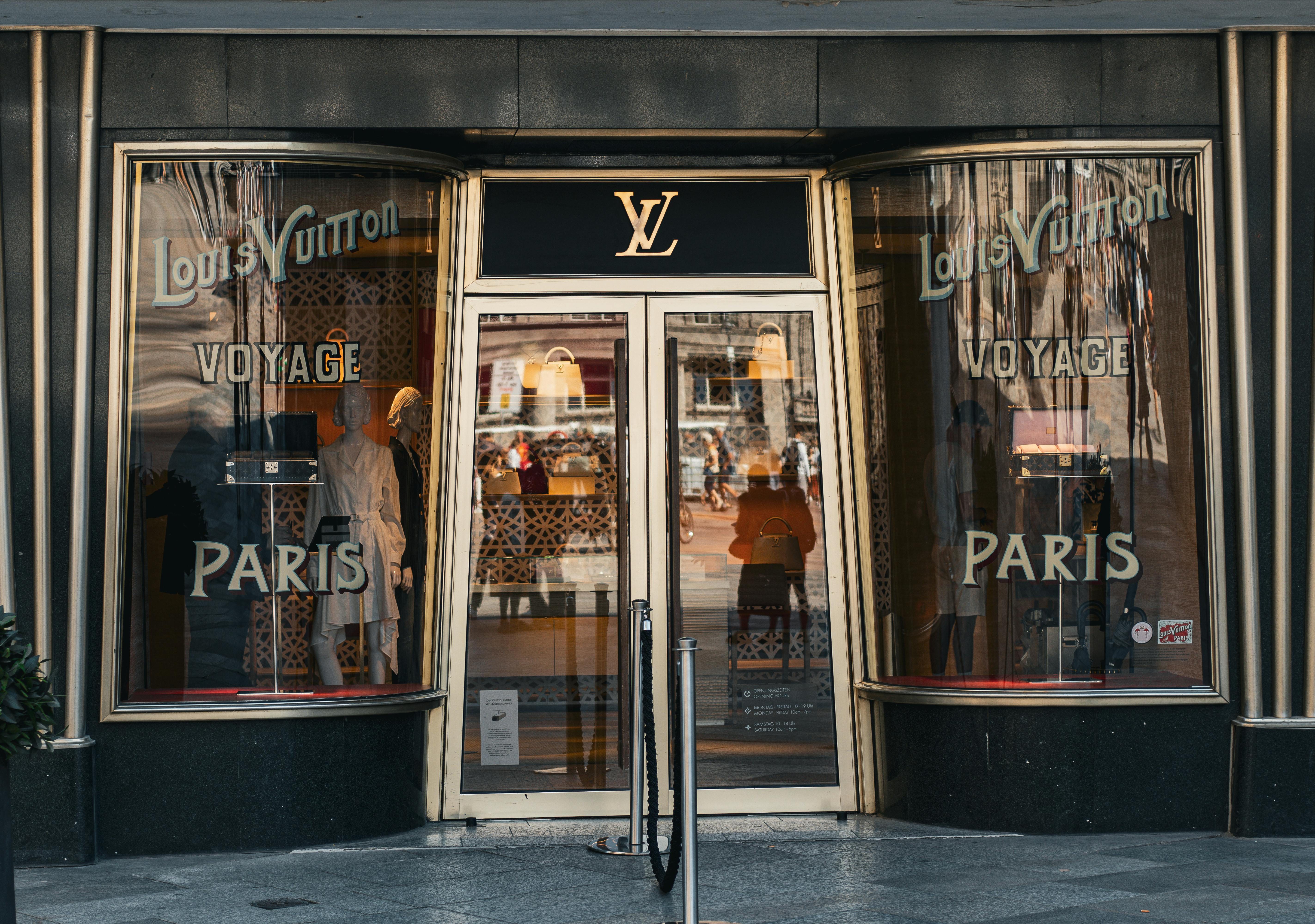
Why does being denied raise the price?
Luxury isn’t selling goods; it’s selling access, and access only signals status if it’s withheld from someone else. Social-rejection psychology backs this: being rejected often makes people elevate the rejecter and try harder to get in.
A club anyone can enter stops being a club. Exclusivity means, well, some exclusion will happen.
So the cold salesperson, the velvet rope, the sold-out drop, and the multi-year Birkin queue all do the same job — costly proof that the thing is hard to get, which is the whole reason to want it. When everyone can have it instantly, the dream dies. Yes, a lot of this is just a symbol.
Overrated or underrated?
As a strategy, it splits. Rudeness as rudeness is overrated. When the Steve Jobs book came out, and it was revealed how difficult he was, jerks on LinkedIn used Jobs’ harsh manner as an excuse to “push teams harder” which often just means being a jerk. And there are real costs to that strategy. Jobs had a prickly personality with real downsides—he denied his first daughter was his, cannily structured his child support payments to be as low as possible just before he became wildly rich, and was apparently rude to service staff if they made a minor mistake. Yet these downsides didn’t stop his business success, given his visionary taste, passion for innovation, care for the customer experience, and incredible salesmanship. Try to copy Job’s in other fields and it might not work out so well.
And the Shaq strategy can only work in very specific circumstances. A coffee shop betting that being rude to a billionaire will cause him to buy 10,000 coffees is delusional.
But rudeness as initiation — cold at the threshold, devoted once you’re in — is still probably underrated as a cynical pricing strategy, if you price it right, because the prize isn’t a sale, it’s a high-lifetime-value member who then advertises for free.
If you consider rudeness to strangers the cost of converting some of them into loyal members, then rudeness that functions as a screening device is really just a cheap (albeit polarizing) customer acquisition strategy. I suppose, this fits with these brand’s strategies, as exclusivity has to be a verb—it’s not just about letting the right people in, it’s also keeping the “wrong” people out, even if that hurts some feelings along the way.
Which is kind of sad but, probably a good business model.
Customers who push past the snub are also buying the reassurance that they’re the kind of person who gets let in. That’s a genuinely unusual asset, and it’s probably worth exactly as much as your need to be let in.
So what’s a snub worth? On average, very little. But sometimes, it’s worth three Rolls-Royces.
Asset: Luxury rudeness
Comparable assets: Velvet ropes, waitlists, private clubs, “sold out” drops, maitre d’ indifference
Risk: Alienates loyal/non-aspirational customers; becomes tacky if overused
Estimated value: Usually near zero or negative; occasionally worth thousands per qualified aspirant — and once in a while, three Rolls-Royces.
For more pieces that blend academic research with real-world outcomes, check out The Studies Show, by Alexander Webb.
This post, like all Unusual Assets posts, is for entertainment and educational purposes only and is not financial, legal, or any kind of advice.
Thanks for reading Unusual Assets. Subscribe for more weird stuff.
Given Shaq was not born rich, and given US racial dynamics, he likely may have still felt like an outsider in some ways. If I ever meet Shaq I’ll let you know.